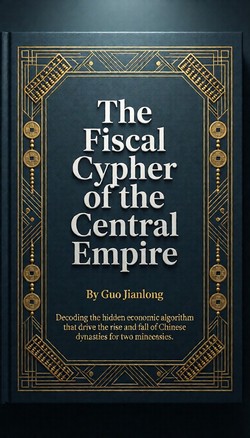
Spanning over 2,000 years from the Qin Dynasty to the fall of the Qing, *The Fiscal Code of the Central Empire* unpacks how fiscal policies shaped the rise and collapse of China’s imperial dynasties. Guo Jianlong traces the origins of centralized finance in Qin’s aggressive unification reforms, explores failed experiments like Wang Mang’s retro fiscal overhauls, and analyzes the delicate balance between state control and economic vitality in eras like the Han, Tang, and Song. The book reveals how dynasties grappled with fiscal dilemmas: from funding wars and suppressing local elites to managing currency systems and adapting to changing economic realities. It also examines the fatal flaws of imperial finance—such as over-reliance on land taxes, state monopolies stifling private enterprise, and reckless currency printing—that eventually led to systemic collapse. Finally, it chronicles the Qing’s failed attempts at modernizing its fiscal system amid Western pressures, offering a compelling lens into how financial decisions determined the fate of one of history’s longest-lasting imperial systems.






 Ask about the book's ideas and how they relate to your life.