


A gentle reminder that connection heals.
Your Review
A gentle reminder that connection heals.
Yalom shows how empathy lets us see others differently, turning his story about the two rivers into a powerful lesson on listening.

This book helped me stop feeling broken and start seeing my struggle as a normal part of being human.

The idea that we all face death makes me want to live more honestly now.
A gentle reminder that connection heals us all.

Yalom's story about the breast cancer patient and her father seeing two different rivers perfectly explains how empathy changes our perspective, helping us truly see others instead of just our own reality.

Learning about mirror neurons and emotional contagion helped me understand why empathy feels so biological and powerful when we truly listen to someone else without judgment.
The story about the widow who believed she had a heart of failure showed how specific praise and patience can help people unlearn self-defeating beliefs over time.

This book helped me stop fighting my grief.

Yalom reframes therapy as a shared journey rather than a doctor fixing a patient, which helped me see my own struggles not as defects but as part of being human.

Yalom's story about the two rivers showed me that empathy means seeing the world through another person's eyes, not just feeling sorry for them. It changed how I listen to my sister, helping me realize her anger isn't about the teacup collection but about her own deep grief that I was too busy to acknowledge. Instead of arguing, I now try to pause and imagine what her reality looks like, which has stopped our fights and started real conversations. This book taught me that healing comes from authentic connection, not fixing people, and that we all share the same messy human journey, making it easier to forgive ourselves for not being strong enough to move on from our mom's death right away.

Yalom's story about the two rivers perfectly explains how empathy works by seeing the world through another person's eyes, which changed my understanding of true connection.

Reading this made me realize I do not have to be broken to ask for help or grow.

This book is a powerful reminder that we are all just trying to navigate life together.
Yalom brilliantly shows how labels distort our view of others, turning complex people into checklists of symptoms while ignoring the unique human nuances that matter most for real healing.

Yalom explains how empathy, specific praise, and honest vulnerability heal us all.
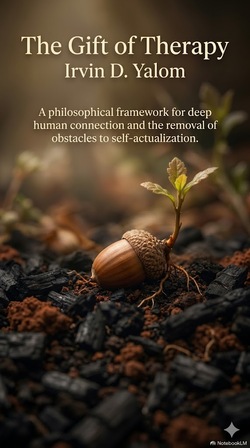
Yalom's story about the widow who thought loving again was a betrayal really stuck with me. Instead of teaching her how to love, he helped her dismantle the rigid belief that loyalty meant shutting herself off from joy. It shifted my view from seeing therapy as fixing a broken person to understanding it as clearing away the rocks and weeds blocking our innate drive to grow, just like an acorn destined to become an oak. This approach reminds us that we don't have to be sick to ask for help, and that healing comes from authentic connection with others and ourselves rather than trying to fit into a diagnostic label or ignoring our messy, painful truths about being human.
Yalom argues that rigid diagnostic labels distort how we see people, but his own detailed stories sometimes felt like he was still using the very categories he criticizes to explain complex human behaviors.

Beginner-friendly without being shallow.

Yalom brilliantly explains how empathy, specific praise, and shared vulnerability transform therapy from a rigid diagnosis into a genuine human connection that heals deep isolation.