



Interesting ideas, but I found the complex examples of wish fulfillment hard to follow and sometimes felt forced to fit my dreams into his theories.
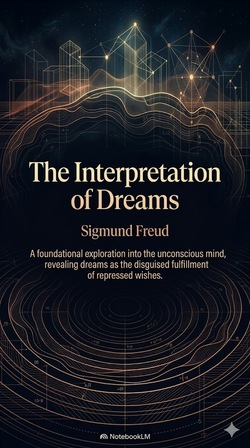
Your Review
Interesting ideas, but I found the complex examples of wish fulfillment hard to follow and sometimes felt forced to fit my dreams into his theories.

Freud's idea that dreams are disguised wishes to bypass our inner censor makes so much sense now.

Freud shows how dreams hide our true wishes behind scary symbols.

Interesting ideas but some parts feel too focused on sexual desires instead of other hidden feelings.

Freud's idea that dreams hide our deepest wishes changed how I see my own life and past conflicts. The explanation of how childhood memories resurface in adult dreams to help us process current stress was especially powerful. I realized that my recurring anxiety about public speaking isn't just random stress but connects to a specific shame from when I was twelve. This book doesn't just explain dreams; it teaches me to look at my waking life with new eyes, understanding that my subconscious is constantly working to resolve tensions I try to ignore. The section on how we censor our thoughts during the day, like nodding in meetings instead of disagreeing, perfectly described my own behavior and made me realize how much I suppress my true feelings. While some parts felt a bit abstract, the core message that we all have hidden desires we protect from ourselves is something I will remember and apply to my daily self-reflection.
A few chapters really stood out. Enjoyed the pace.

Freud shows how daily stress hides inside our nightly stories. His idea that dreams are disguised wishes to protect us from guilt or shame is a powerful way to understand why we often act against our own conscious values. For example, the text explains how a person might dream of a friend getting sick not out of malice, but because their subconscious wants to remove a rival. This insight helps make sense of confusing feelings we might otherwise ignore. It also clarifies that typical dreams like falling or flying aren't random but link back to childhood fears of losing control. While modern science questions some of his methods, the core message that our minds constantly work to hide uncomfortable truths remains very relevant today for anyone trying to understand their inner conflicts and hidden desires. Reading this helped me see my own dreams as a safe place to express what I cannot say while awake, turning my nightly visions into a tool for self-discovery rather than just random noise.

Freud's idea that dreams hide our true wishes changed how I see my own nightly stories. The concept of a 'dream censor' blocking uncomfortable feelings like jealousy or guilt really clicked for me after reading about the dinner party example. It made me realize why I often feel anxious about social events without knowing why, because my mind was secretly trying to avoid a rival I disliked. This insight helps explain the strange, disturbing plots in my dreams that I used to dismiss as nonsense. Instead of thinking they were random, I now see them as clever disguises for parts of myself I refuse to admit. The book explains how recent events and old childhood memories mix together to create these narratives, using symbols like plants or flowers to mask deep professional or personal anxieties. While some critics say his focus on sex is too narrow, I found the part about repressing positive desires equally powerful, like wanting to travel but feeling too guilty to say so. Understanding that even my worst nightmares might just be my mind fulfilling a hidden wish to escape guilt or loneliness gives me a new appreciation for sleep. It also makes me more aware of how I censor myself during the day, pretending to agree with bosses or family while secretly disagreeing, which mirrors the censorship happening in my dreams. The examples of condensation and displacement show how my brain merges many thoughts into one image to hide the truth, making complex feelings easier to process without waking up scared. Overall, this interpretation offers a useful framework for self-reflection, even if modern science suggests dreams serve other biological purposes too. Reading it felt like unlocking a secret room in my mind where I keep things I'm not ready to face.

Freud explains how our mind disguises wishes to avoid guilt, using real cases like Irma's Injection. He shows that even scary dreams are actually hidden desires, like avoiding a rival at a dinner party. This insight helps me see my own anxiety not as failure but as a clever defense mechanism protecting my conscience. Understanding that childhood memories and physical sensations shape these narratives changed how I view my nightly visions, making them feel less random and more like meaningful messages from my subconscious about things I cannot say out loud during the day.

Reading about how a dream of losing keys might actually signal castration anxiety was mind-blowing, even if modern science offers different explanations today.
Freud shows how childhood fears hide inside our adult nightmares. Understanding that a dream about failing a test isn't random but a replay of a deep-seated fear from school helps me make peace with my current anxieties about work performance. The idea that our subconscious uses old memories to process new stress is fascinating because it explains why I often feel overwhelmed by triggers that seem unrelated to my present life, revealing that my mind is constantly trying to solve old problems using today's events as a backdrop for its hidden wishes and unresolved conflicts.

Interesting take on why we dream about falling or being naked.

Freud's idea that even my scary dreams are just disguised wishes makes total sense and finally explains why I feel guilty waking up.

Freud shows how childhood memories hide in adult dreams, making even scary nightmares feel like personal stories about unmet wishes rather than random chaos.
I struggle with the notion that dreams are always wish fulfillment, sometimes a nightmare feels like a genuine warning rather than a hidden desire.

Dense but rewarding—note-taking helped.

Understanding how condensation merges multiple thoughts into one symbol like a plant book helps me decode my own confusing dreams better.

I struggled with the complex ideas at first, but the detailed examples of wish fulfillment and censorship made the theory click. The explanation of how childhood memories and daily events get reshaped by our subconscious to satisfy repressed desires is fascinating, even if some modern critiques about his lack of empirical evidence hold weight. Understanding that a nightmare about failing a party was actually a disguised wish to avoid a rival felt like a key insight into my own mind, though I wonder if applying this rigid framework to every dream might sometimes force meanings where none exist. The book successfully dismantles old folklore about dream symbols and replaces them with a psychological approach centered on the individual's unique life context, which is a significant shift from viewing dreams as universal prophecies or random brain static, making it a foundational text for understanding the subconscious despite its dated cultural biases.

The idea that childhood shame templates adult dreams like public speaking fears feels surprisingly accurate for my own life experiences.

Freud reveals how our dreams hide wishes like jealousy or guilt, using mechanisms such as displacement to protect us from uncomfortable truths while we sleep soundly.