


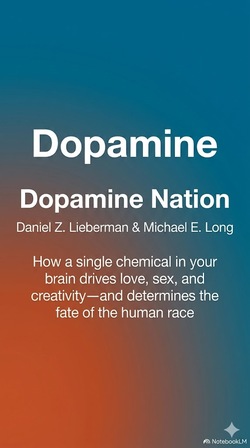
Finally, a clear explanation of why dopamine drives us to seek more instead of just feeling happy when we achieve our goals.
Your Review
Finally, a clear explanation of why dopamine drives us to seek more instead of just feeling happy when we achieve our goals.


This book changed how I see my own endless chasing of new things.

The distinction between wanting and liking really explains why I feel empty after big purchases. The rat experiment made it click for me that dopamine spikes before the reward arrives, not after. Understanding this helped me realize my constant scrolling is just chasing the next notification, not enjoying my current social interactions. It's a bit heavy on science but the examples like the cake eating scene make it feel relatable and useful for understanding my own impulsive behavior without feeling judged.

This book completely changed how I see my own habits. I realized my constant need for new things isn't about happiness but about anticipation. The explanation of how dopamine drives us to chase future possibilities instead of enjoying the present moment was eye-opening and helped me understand why I feel empty after big purchases or achievements. It challenged the common belief that dopamine equals pleasure and showed me that our brain is wired to seek novelty rather than feel satisfied. Reading this made me reflect on my relationship struggles and social media usage, realizing I was chasing the thrill of the unknown while missing out on real connection and joy in the here and now. It is a fascinating look at the invisible force shaping our choices.

The book brilliantly reframes dopamine from a pleasure molecule to a seeking mechanism, explaining why we crave novelty and feel disappointed once goals are achieved. Using the rat experiment where dopamine spiked upon hearing the machine click rather than eating the food, the authors dismantle decades of pop culture myths about happiness. This distinction between wanting and liking clarifies why relationships fade when predictability sets in and why we struggle with post-purchase regret. I particularly appreciated the explanation of how the desire circuit overrides the control circuit, leading to addiction or self-destruction when ambition lacks discipline. The section on low latent inhibition was fascinating, showing how the same trait enabling creativity can spiral into madness without the control circuit to filter overwhelming details. While the book covers broad societal impacts like political divides and migration, I found the personal strategies for balancing dopamine with now molecules, such as mindfulness and mastering skills, very actionable. It is a must-read for anyone feeling empty despite constant achievement, offering a compassionate scientific lens on human behavior without blaming individuals for their wiring.

Dopamine is about anticipation, not pleasure, which changes everything.

This book changed how I see my daily habits and endless craving for the next thing.

Finally I understand why I always crave the next thing instead of enjoying what I have right now.

Smooth writing; easy to finish in short sessions.
Learning that dopamine drives anticipation rather than pleasure changed how I view my constant urge to chase new things and why satisfying moments often feel empty quickly.

Slightly repetitive in places, still solid overall.

The explanation of dopamine as a "wanting" molecule rather than a "liking" one completely reshaped my understanding of why I struggle to enjoy things once I get them, using the rat experiment to show how anticipation drives behavior instead of actual pleasure, which helps me realize that my post-purchase regret and fading relationship passion are natural results of my brain craving novelty and future possibilities instead of present satisfaction, meaning I need to consciously balance my dopamine-driven ambition with the "now molecules" that provide real joy in the current moment rather than just chasing the next hit of anticipation that leaves me empty once the reward arrives.

Balancing the drive for future possibilities with the joy of the present moment is the key lesson here.

The distinction between desire and control circuits feels useful but sometimes the science parts get too heavy.

This book completely changed how I view my relationships and shopping habits by explaining that dopamine drives the anticipation of future rewards rather than the pleasure of present satisfaction. The authors use clear examples like the fading honeymoon phase and post-purchase regret to show how our brains prioritize the 'wanting' of something new over the 'liking' of what we already have, which explains why we often feel empty once our goals are achieved. Understanding this split between dopamine's future-focused desire and our now molecules like serotonin and oxytocin helps me realize that my constant need for novelty isn't a personal flaw but a biological trait designed for survival in a scarce past. The section on the desire versus control circuits was particularly eye-opening, illustrating how balancing our impulsive urge for more with the rational planning of our prefrontal cortex can prevent us from spiraling into addiction or regret, as seen in stories about athletes who chased wins without ethical boundaries or individuals struggling with mental health due to unfiltered thoughts. Ultimately, this book offers a compassionate framework for navigating modern life, suggesting that instead of fighting our drive for progress, we should learn to integrate it with the present-moment joy that makes life truly meaningful, helping us find contentment in the journey rather than just obsessing over the destination.

Understanding the difference between wanting and liking helped me stop chasing things I do not enjoy.
Finally, a book that explains why I feel empty after buying things I actually love.

Dopamine drives anticipation, not actual pleasure.

Finally understood why my excitement fades so fast after big purchases.
The explanation of the difference between wanting and liking really helped me understand why I feel empty after big purchases. The story about the rats showed that dopamine spikes before the reward, not after. I finally get why I scroll social media instead of listening to friends. The part about near space and far space made me realize I live in the future too much. Understanding that now molecules like serotonin give real satisfaction was a relief. I think we need to balance our drive for more with appreciating what we have right now. The examples of addiction and creativity showed how important this balance is for mental health. It helped me stop blaming myself for being unsatisfied. I will try to focus on present moments more often instead of chasing the next hit. This insight changes how I view my daily choices and relationships with others.