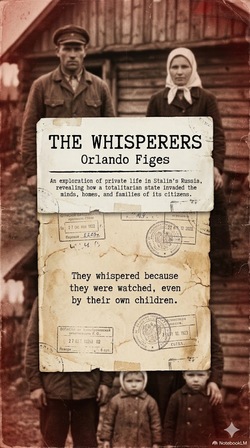
Figes centers ordinary families using private letters and diaries instead of just big names like Stalin or Lenin, making the distant history of totalitarianism feel raw and relatable by showing how small daily choices defined people's lives under oppression rather than just grand acts of resistance or brutal violence. This approach reveals that life under the regime was about navigating constant fear where neighbors turned on each other to survive, and even family bonds were systematically destroyed through policies like the myth of Pavlik Morozov which taught children to betray their parents as a patriotic duty, forcing survivors to live with the trauma of losing loved ones while watching their own families fracture from within as the state weaponized loyalty against the very people it claimed to protect. The stories of exiled peasants like the Golovins and urban families trapped in communal apartments illustrate how the regime eroded privacy and trust, turning homes into prisons where every whisper could lead to arrest, yet the book also highlights quiet resistance where grandmothers hid religious icons and teachers shielded students, reminding us that even in the darkest times, preserving human dignity through small acts of love was a profound form of rebellion against a system that sought to erase individual identity. Ultimately, Figes proves that history is not just about leaders but about the everyday people whose quiet struggles and resilience kept their humanity alive despite the regime's relentless attempts to stamp out every trace of their private lives.