



The United Airlines CEO example really hit home. It's so clear how power can actually make you look weak to the public.
Your Review
The United Airlines CEO example really hit home. It's so clear how power can actually make you look weak to the public.

The United Airlines CEO example really shows how real-world power fails in public opinion.

The United Airlines CEO story really made me see how real power makes you look weak online.

The Weak Theorem changes how I see power. Real strength feels like a liability online. Vulnerability wins instead.

The United Airlines CEO story really stuck with me. I never realized how quickly authority can backfire online.

The United Airlines CEO example perfectly shows how real-world power fails in public opinion.

The United Airlines CEO story really stuck with me because it shows how real power feels like a liability when facing public opinion.

I felt annoyed by the heavy corporate tone in the examples. While the theories are interesting, the constant focus on political scandals felt a bit forced and repetitive for a general audience. The emotional law makes sense but the light rule examples sometimes feel trivialized. Small rebellion is a good concept yet hard to apply without sounding fake. Overall the ideas are solid but the delivery felt too academic for casual readers.

The United Airlines CEO example really shows how power makes people look suspicious in public opinion.

The idea that power makes you vulnerable in public opinion was a shock. I felt like the United Airlines CEO story perfectly explained why logic fails online.

The United Airlines CEO story really stuck with me. It shows how power makes you look suspicious in public opinion, even when you're technically right. That weak theorem concept is a game changer for understanding influence.
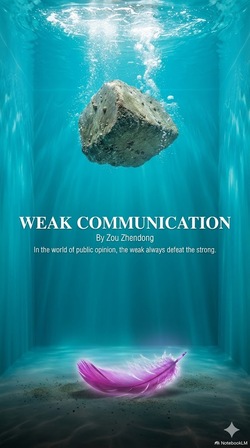
Zou argues real power hurts your public image. The United CEO example shows how rigid logic fails when the public demands empathy instead. He explains that being an underdog often wins more sympathy than being a boss. The emotional law means feelings beat facts every time in these viral moments. Light, simple content spreads faster than heavy white papers because our brains refuse complex data. The light rule explains why silly memes go viral while serious speeches get ignored. Small rebellion works best when you push back slightly on norms without alienating everyone. This framework helps anyone navigate modern opinion without sounding arrogant. I now understand why my professional achievements don't automatically make me likable. The weak theorem flips everything I thought about leadership and success.

The United Airlines CEO example really hit home. It showed how real power fails in public opinion. The book explains this weak world concept perfectly. I feel like I understand influence better now.

The United Airlines CEO example really stuck with me. It shows how real-world power feels like a huge liability when trying to connect with angry people online.

The weak theorem makes sense after reading this. It explains why powerful leaders often lose public trust quickly while ordinary stories gain attention. Zou uses the United Airlines CEO case to show how defending rules instead of apologizing destroyed their reputation. The emotional law suggests that raw feelings matter more than logical arguments when crowds react. Light content spreads faster because people prefer easy, fun things over dense analysis. Small rebellion helps figures stay relatable by admitting flaws or breaking minor norms. This book changes how I think about communication strategies today.

The United Airlines CEO story really hit home. It shows how power makes people look suspicious in public opinion.

The United Airlines CEO example perfectly shows why real-world power makes you vulnerable online.

The United Airlines CEO example really shows why power feels suspicious online.

Changed how I see influence and public talk.

The United Airlines CEO story really hit home about how power makes people look weak in public opinion.