
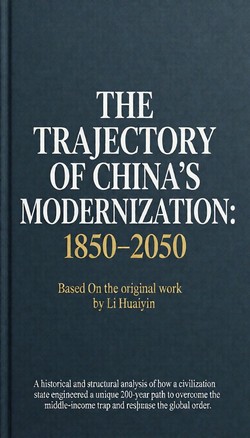
China's Modernization
Loading…

China's Modernization

Li Huaiyin

3.71293 learners

China's Modernization delivers a provocative, non-Western-centric deep dive into one of the 21st century's most pivotal global shifts. It first unpacks the evolution of Western modernization theory—from Weber's rationalization framework to its Cold War role as a U.S. ideological tool—before dismantling the myth that Western models are universal. The book then traces China's 200-year journey: starting with the late Qing's reluctant embrace of modernity, the chaotic nation-building of the Republican era, the foundational industrialization of the pre-reform decades, and the explosive growth of the reform era. It introduces the game-changing concept of 'meta-strength'—a unique combination of population scale, ethnic homogeneity, secular values, high human capital, and state capacity—that drives China's sustained growth. By contrasting China's path with failed import-substitution strategies and the limitations of the Washington Consensus, the book argues that China's success lies in leveraging its historical and cultural heritage, offering a new blueprint for non-Western nations navigating modernization.
Modernization TheoryChinese Modernization PathMeta-StrengthTriple Equilibrium TrapState Capacity
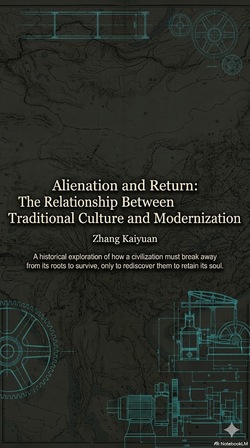
Alienation and Return
Loading…

Alienation and Return

Zhang Kaiyuan

3.8530 learners

Alienation and Return traces China’s turbulent modern transformation through the lens of cultural conflict—between breaking free from age-old traditions and clinging to ancestral roots. Starting with the little-known Qing Dynasty woman Shan Shili, whose overseas travels sparked radical shifts in her views on society and culture, the book moves through pivotal figures like Gong Zizhen, the first intellectual to declare the Qing’s decline, and Wei Yuan, whose *Sea Map of the World* laid the groundwork for learning from the West. It contrasts China’s slow, struggle-filled modernization with Russia’s sweeping reforms and Japan’s rapid "Leave Asia, Join Europe" push, unpacking why China faced steeper barriers to change. From the Self-Strengthening Movement to the Hundred Days’ Reform and Xinhai Revolution, the book explores how each wave of reform grappled with tradition’s pull, then examines the dual forms of cultural return after the revolution—reactionary backsliding and progressive revival. Finally, it offers insights into balancing tradition and modernity amid globalization, making this complex history accessible through vivid stories and cross-national comparisons.

Cultural AlienationCultural ReturnChinese ModernizationSelf-Strengthening MovementXinhai Revolution
No more