
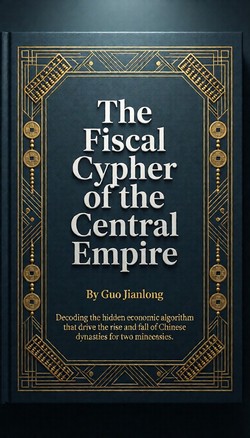
The Fiscal Code of the Central Empire
Loading…

The Fiscal Code of the Central Empire

Guo Jianlong

3.11203 learners

Spanning over 2,000 years from the Qin Dynasty to the fall of the Qing, *The Fiscal Code of the Central Empire* unpacks how fiscal policies shaped the rise and collapse of China’s imperial dynasties. Guo Jianlong traces the origins of centralized finance in Qin’s aggressive unification reforms, explores failed experiments like Wang Mang’s retro fiscal overhauls, and analyzes the delicate balance between state control and economic vitality in eras like the Han, Tang, and Song. The book reveals how dynasties grappled with fiscal dilemmas: from funding wars and suppressing local elites to managing currency systems and adapting to changing economic realities. It also examines the fatal flaws of imperial finance—such as over-reliance on land taxes, state monopolies stifling private enterprise, and reckless currency printing—that eventually led to systemic collapse. Finally, it chronicles the Qing’s failed attempts at modernizing its fiscal system amid Western pressures, offering a compelling lens into how financial decisions determined the fate of one of history’s longest-lasting imperial systems.
Two-Tax SystemFiscal CrisisCentralized Fiscal SystemEqual Field SystemSingle Whip Law
The Architectonics Of Power
Loading…

The Architectonics Of Power

Wang Yanan

3.4545 learners

This book delivers a groundbreaking exploration of bureaucratic politics—an often-overlooked system compared to aristocratic, autocratic, and democratic governance. Drawing on sharp comparisons with European, American, and fascist bureaucratic models, it unpacks China’s unique 2,000-year history of bureaucratic rule, from its Qin Dynasty origins to its modern transformation after the Opium War. Unlike Western bureaucracies that served as transitional phases between feudalism and capitalism, China’s bureaucracy was deeply intertwined with feudal landlord economies, Confucian doctrine, and centralized autocracy, boasting three defining traits: unbroken continuity, cultural inclusivity, and pervasive social control. It examines how this system stifled social progress, fueled cycles of corruption, and perpetuated peasant exploitation, while tracing its evolution into 20th-century bureaucratic capitalism. Ultimately, it argues that China’s bureaucratic politics can only be eradicated by uprooting its feudal economic foundations and empowering grassroots movements, offering a critical lens to understand China’s past and present.

Bureaucratic PoliticsFeudal Landlord EconomyTwo-Tax SystemImperial Examination SystemModern Bureaucratic Capital
Concept

Two-Tax System

A core tax reform in Tang Dynasty China that calculated total state expenditure first, collected tax twice a year based on household wealth instead of the old rigid land ownership rules.

Tax ReformChinese HistoryTang Dynasty
No more