
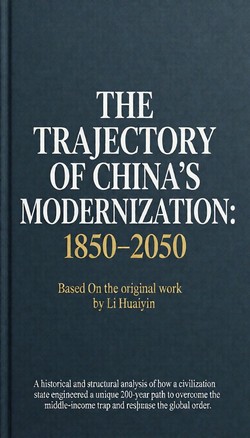
China's Modernization
Loading…

China's Modernization

Li Huaiyin

3.71293 learners

China's Modernization delivers a provocative, non-Western-centric deep dive into one of the 21st century's most pivotal global shifts. It first unpacks the evolution of Western modernization theory—from Weber's rationalization framework to its Cold War role as a U.S. ideological tool—before dismantling the myth that Western models are universal. The book then traces China's 200-year journey: starting with the late Qing's reluctant embrace of modernity, the chaotic nation-building of the Republican era, the foundational industrialization of the pre-reform decades, and the explosive growth of the reform era. It introduces the game-changing concept of 'meta-strength'—a unique combination of population scale, ethnic homogeneity, secular values, high human capital, and state capacity—that drives China's sustained growth. By contrasting China's path with failed import-substitution strategies and the limitations of the Washington Consensus, the book argues that China's success lies in leveraging its historical and cultural heritage, offering a new blueprint for non-Western nations navigating modernization.
Modernization TheoryChinese Modernization PathMeta-StrengthTriple Equilibrium TrapState Capacity
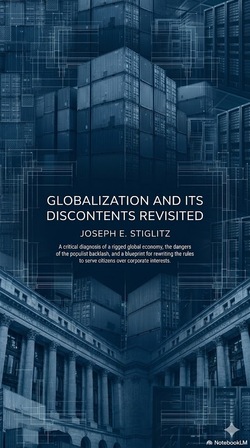
Globalization and Its Discontents
Loading…

Globalization and Its Discontents

Joseph E. Stiglitz

4.51100 learners

In *Globalization and Its Discontents*, Nobel Prize-winning economist Joseph E. Stiglitz draws on his insider experience as World Bank Chief Economist to expose the deep flaws in how globalization has been managed. He argues that the system isn’t inherently broken—but it’s been hijacked by wealthy nations, corporate elites, and ideologically rigid institutions like the IMF and World Bank. Through searing case studies—the 1997 East Asian Crisis, Russia’s disastrous shock therapy, and the hollow promises of the Washington Consensus—Stiglitz shows how one-size-fits-all policies have exacerbated inequality, crushed developing economies, and left working classes in both rich and poor countries disillusioned. He dismantles myths about free trade, capital flows, and debt relief, and lays out a pragmatic roadmap to reform global governance, prioritize equitable growth, and refashion globalization to serve the many, not just the powerful few.

Washington ConsensusGlobal GovernanceInternational Monetary Fund (IMF)World BankEast Asian Crisis
Concept

Washington Consensus

A set of 1980s policy guidelines for developing countries, with three core pillars: strict fiscal austerity, full privatization, and total unregulated market liberalization.

EconomicsDevelopmentGlobal Policy
No more