
Loading…
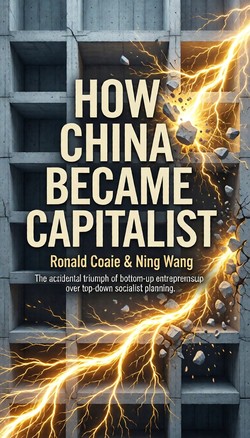
How China Became Capitalist

From the chaos of Mao Zedong’s later years to the explosive growth of today’s global economic powerhouse, Ronald Coase and Ning Wang’s *How China Became Capitalist* unpacks the unplanned, grassroots-driven journey that transformed China’s socialist system into a market-based economy. Unlike the top-down narrative many Western observers assume, the book reveals that China’s transition began not with grand government blueprints, but with desperate farmers secretly adopting household responsibility systems, marginalized urban youth launching small businesses, and township enterprises thriving outside state control. It traces pivotal turning points: Hu Guofeng’s stabilizing post-Mao transition, the 1978 truth standard debate that broke ideological shackles, and Deng Xiaoping’s 1992 Southern Tour, which silenced “socialist vs. capitalist” arguments and cemented market reforms. Coase and Wang highlight how these unorthodox, bottom-up “edge revolutions” gradually won official acceptance, creating a unique socialist market model that defied conventional economic theory, while also exploring lingering challenges that will shape China’s economic future.
Understand the Book
Choose how you want to explore this book.




Explore with AI
 Ask about the book's ideas and how they relate to your life.
Share Your View
Which reform mattered most?
Pick all that apply