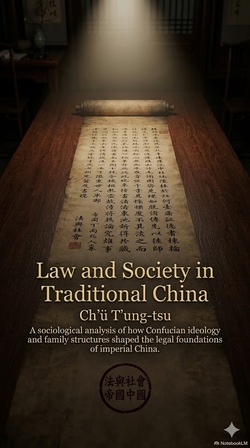
Ch'u T'ung-tsu's seminal work Law and Society in Traditional China provides a thorough, insightful exploration of how legal systems and social structures were deeply intertwined in imperial China. The book dissects core pillars of traditional life: patriarchal family control, marriage institutions designed to serve clan interests, rigid class hierarchies (including scholar-gentry, commoners, and bonded laborers), and unequal legal privileges. It reveals how laws were crafted to enforce Confucian ethical norms and hierarchical order, examining key institutions like the five mourning grades, seven grounds for divorce, and mutual concealment rules. Additionally, it traces the fusion of Confucian and Legalist ideologies that formed China's unique "ritual-law" framework, and explores lesser-known links between law, religion, and witchcraft. This classic text offers a nuanced understanding of how ancient Chinese governance maintained stability through interconnected legal and moral codes.
Original Title: 中国法律与中国社会 Original Language: Chamorro






 Ask about the book's ideas and how they relate to your life.