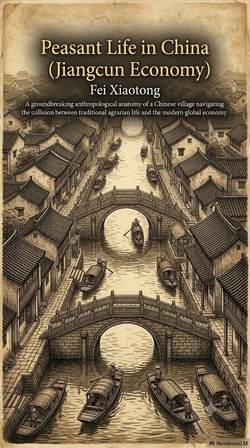
Based on immersive firsthand fieldwork in Kaihsienkung, a tight-knit village on China’s Taihu Lake, *Peasant Life in China* by Fei Xiaotong delivers a vivid, unfiltered portrait of rural Chinese life in the 1930s. More than just a snapshot, this seminal work unpacks the village’s economic backbone—centered on rice farming and the once-thriving silk industry, which collapsed amid global economic depression and outdated production methods. It dives into intricate social structures shaping daily life: extended family dynamics, arranged marriages, patrilineal inheritance, and tight bonds of kinship and neighborhood. Fei also examines tensions between tradition and modernity, from mismatched school reforms to the cooperative silk mill experiment aimed at reviving the local economy. By focusing on one small community, he fills a critical gap in macro-level studies of China’s economy, offering tangible insights into rural poverty, land tenure issues, and the fragile link between villages and urban centers. This classic remains essential for understanding the roots of China’s rural challenges and the quiet resilience of its peasant population.






 Ask about the book's ideas and how they relate to your life.