
Loading…
Two Thousand Years

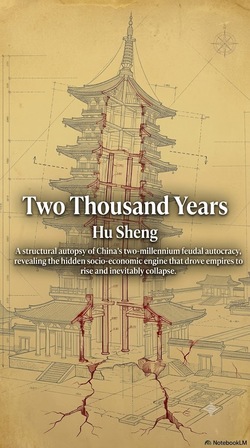
Breaking free from traditional dynastic chronologies, *Two Thousand Years* offers a panoramic, cross-dynastic analysis of over 2,000 years of Chinese feudal autocracy. By focusing on core institutional and social dynamics rather than isolated events, the book unpacks the evolution of imperial power—from Qin Shi Huang’s centralized authority to the extreme autocracy of the Ming and Qing dynasties. It delves into the symbiotic yet contradictory relationship between the monarchy and the bureaucratic system, the transformation of military institutions from aristocratic privilege to professional armies, and the harsh realities of peasant life tied to land and exploited by both the state and landlords. The work also examines recurring peasant uprisings, their role in challenging dynasties, and their ultimate failure to break the feudal cycle, alongside complex, often violent interactions between Han Chinese and northern nomadic groups. Ultimately, it reveals the inherent contradictions of feudal rule that led to its inevitable collapse, providing readers with a deep understanding of China’s historical continuity and complexity.
Understand the Book
Choose how you want to explore this book.




Explore with AI
 Ask about the book's ideas and how they relate to your life.