
Loading…
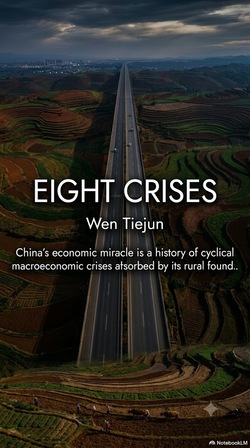
Eight Crises

Pulling back the curtain on China’s industrial journey, *Eight Crises* analyzes 8 cyclical economic crises that shaped its rise from a post-war agrarian nation to a global industrial power. Unlike most post-colonial developing countries that stumbled into development traps copying Western models, China’s unique path relied on a core framework: the Cost Shifting Theory. This theory explains how the nation transferred crisis costs from urban industrial centers to rural areas via its long-standing urban-rural dual structure—using agricultural surpluses, cheap labor, and land resources to cushion shocks. The book ties each crisis to four waves of foreign capital introduction, showing how these inflows drove growth but also sparked debt and deficit pressures. It also explores how China avoided the collapse that plagued peer nations, even as rural resilience fades in the face of aging populations, labor outflows, and global financial shocks. Packed with data and historical context, it offers a fresh lens on China’s economic success and its looming challenges.
Understand the Book
Choose how you want to explore this book.




Explore with AI
 Ask about the book's ideas and how they relate to your life.